Hidden behind a movable bookcase in a canal-side Amsterdam building, a young Jewish girl wrote a diary that would become one of the most read books in human history. The Anne Frank House stands today as a profound reminder of the Holocaust's human cost and the enduring power of one voice against injustice.
The story of the Anne Frank House begins not in Amsterdam, but in Frankfurt, Germany, where Annelies Marie Frank was born on June 12, 1929, to Otto and Edith Frank. As the Nazi Party rose to power following Adolf Hitler's appointment as Chancellor in January 1933, the Frank family faced escalating persecution. Otto Frank, a businessman with foresight and deep concern for his family's safety, made the decisive move to relocate to the Netherlands in 1933. He established a pectin and spice trading company, Opekta, at Prinsengracht 263 in Amsterdam, a canalside address that would later become one of the most visited historical sites in the world.
The Frank family initially lived relatively peacefully in Amsterdam, with Anne attending the Montessori school and forming friendships that she would later describe vividly in her diary. However, when Germany invaded and occupied the Netherlands in May 1940, the situation changed dramatically. Nazi anti-Jewish decrees were systematically imposed: Jews were required to wear yellow stars, were banned from public spaces, and faced increasingly brutal restrictions. By 1942, deportations to concentration camps had begun. Otto Frank, recognizing the imminent danger, began secretly preparing a hiding space within the concealed rear annex of his Prinsengracht warehouse and office building, known in Dutch as the Achterhuis, or Secret Annex.
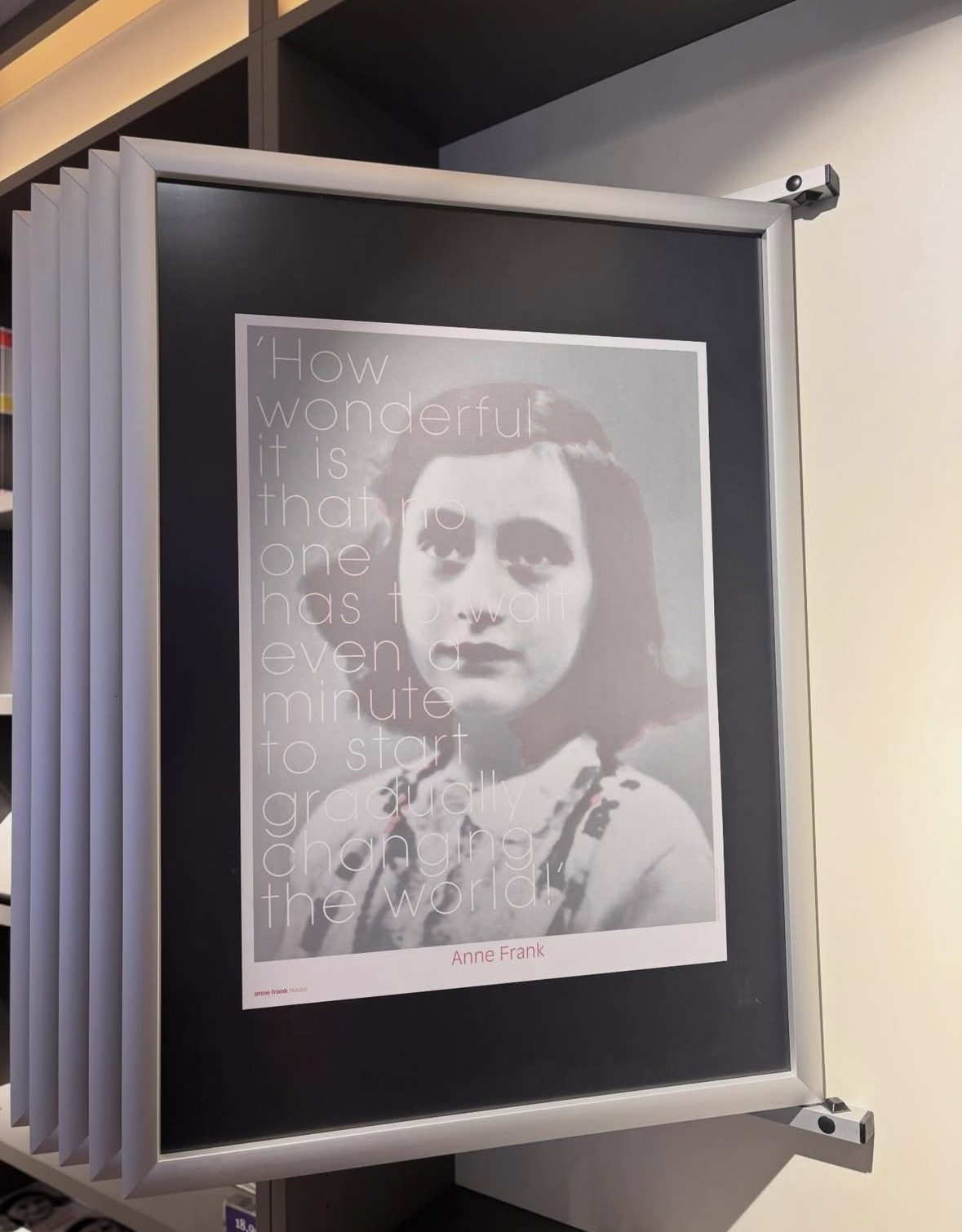
On July 6, 1942, the day after Anne's older sister Margot received a call-up notice for a Nazi labor camp, the Frank family went into hiding in the Secret Annex. They were joined one week later by Hermann and Auguste van Pels and their son Peter, and in November 1942 by Fritz Pfeffer, a dentist and family friend. Eight people in total lived in the concealed upper floors of Prinsengracht 263 for 761 days. The entrance to the annex was ingeniously hidden behind a hinged bookcase, built to conceal the doorway and protect those living inside from discovery during the German occupation.
Life in the Secret Annex required extraordinary discipline, silence, and courage. During daylight hours when warehouse workers were present below, the occupants could not move freely, flush toilets, or make noise. They relied entirely on a small group of loyal helpers — Miep Gies, Bep Voskuijl, Jan Gies, Johannes Kleiman, and Victor Kugler — who risked their own lives daily to bring food, news, and supplies. It was Miep Gies who brought Anne books, magazines, and the red-checked diary that Otto had given Anne for her thirteenth birthday, in which she recorded her inner life, fears, dreams, and observations with remarkable literary maturity.
Anne Frank began her diary on June 12, 1942, before going into hiding, and continued writing until August 1, 1944, just three days before the annex was raided. She addressed her entries to an imaginary friend she called Kitty, filling the pages with reflections on growing up, the war, human nature, and her aspirations to become a writer. After hearing a radio broadcast by Dutch Minister Gerrit Bolkestein in 1944, who urged citizens to preserve wartime documents for historical record, Anne began revising her diary with a view to eventual publication. Her entries reveal a young woman of extraordinary intelligence, sensitivity, and moral clarity, making the diary a universal document of the human spirit under oppression.
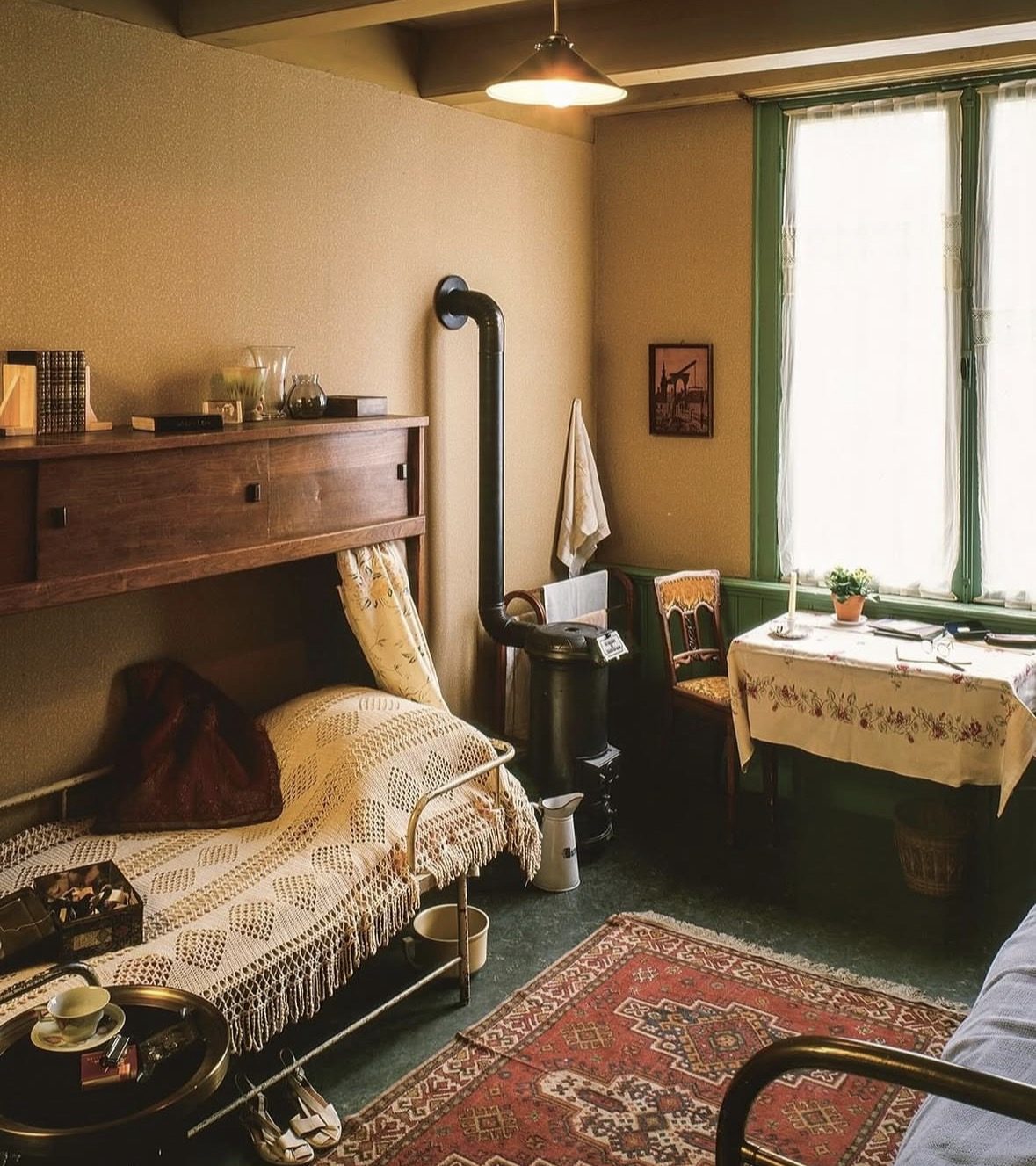
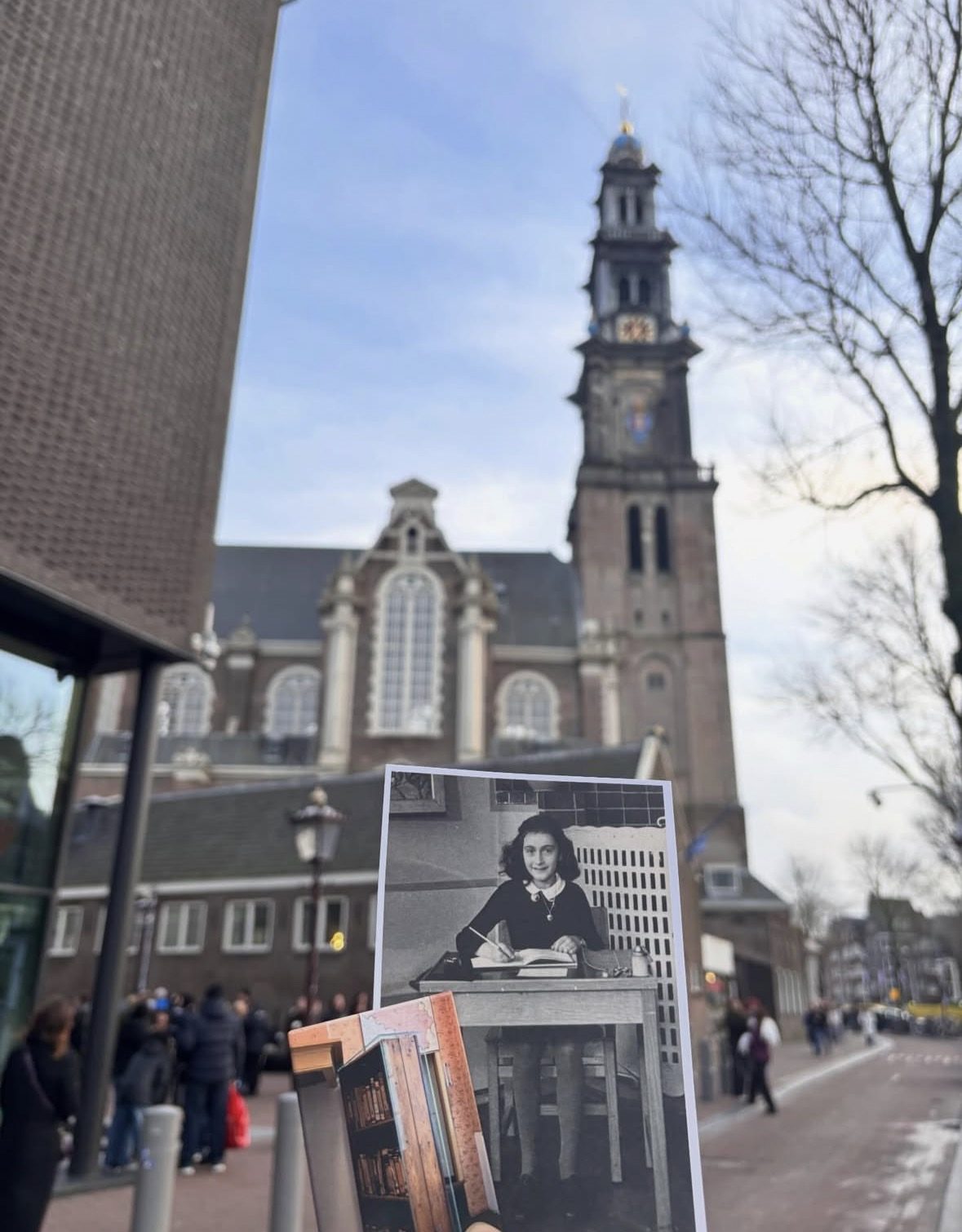
On the morning of August 4, 1944, an SS officer and several Dutch police officers stormed Prinsengracht 263. To this day, it remains unclear who betrayed the hiding group, despite extensive investigations over the decades. All eight occupants were arrested and transported to the Gestapo headquarters in Amsterdam. They were subsequently sent to Westerbork transit camp, and then deported in the last train transport to Auschwitz-Birkenau on September 3, 1944. Anne and Margot were later transferred to Bergen-Belsen concentration camp, where both sisters died of typhus in February or March 1945, just weeks before the camp's liberation.
Otto Frank was the sole survivor among the eight people who had hidden in the Secret Annex. He was liberated from Auschwitz by Soviet forces on January 27, 1945 — a date now commemorated worldwide as International Holocaust Remembrance Day. Upon returning to Amsterdam, Miep Gies handed Otto the loose diary pages and notebooks she had gathered from the annex floor after the arrest, having kept them safe without reading them. Otto was devastated to learn of his daughters' deaths, and after reading Anne's diary, he honored her wish to be a writer by dedicating himself to its publication.
The diary was first published in Dutch in 1947 under the title Het Achterhuis (The Secret Annex), with an introduction by historian Jan Romein. English and German editions followed in 1952, and a hugely successful Broadway play adaptation in 1955 brought the story to international audiences. The 1959 Hollywood film adaptation starring Millie Perkins further cemented the diary's global reach. Otto Frank, who lived until 1980, spent the remainder of his life promoting Anne's message of tolerance and the importance of Holocaust education, working closely with the foundation that bears his daughter's name.
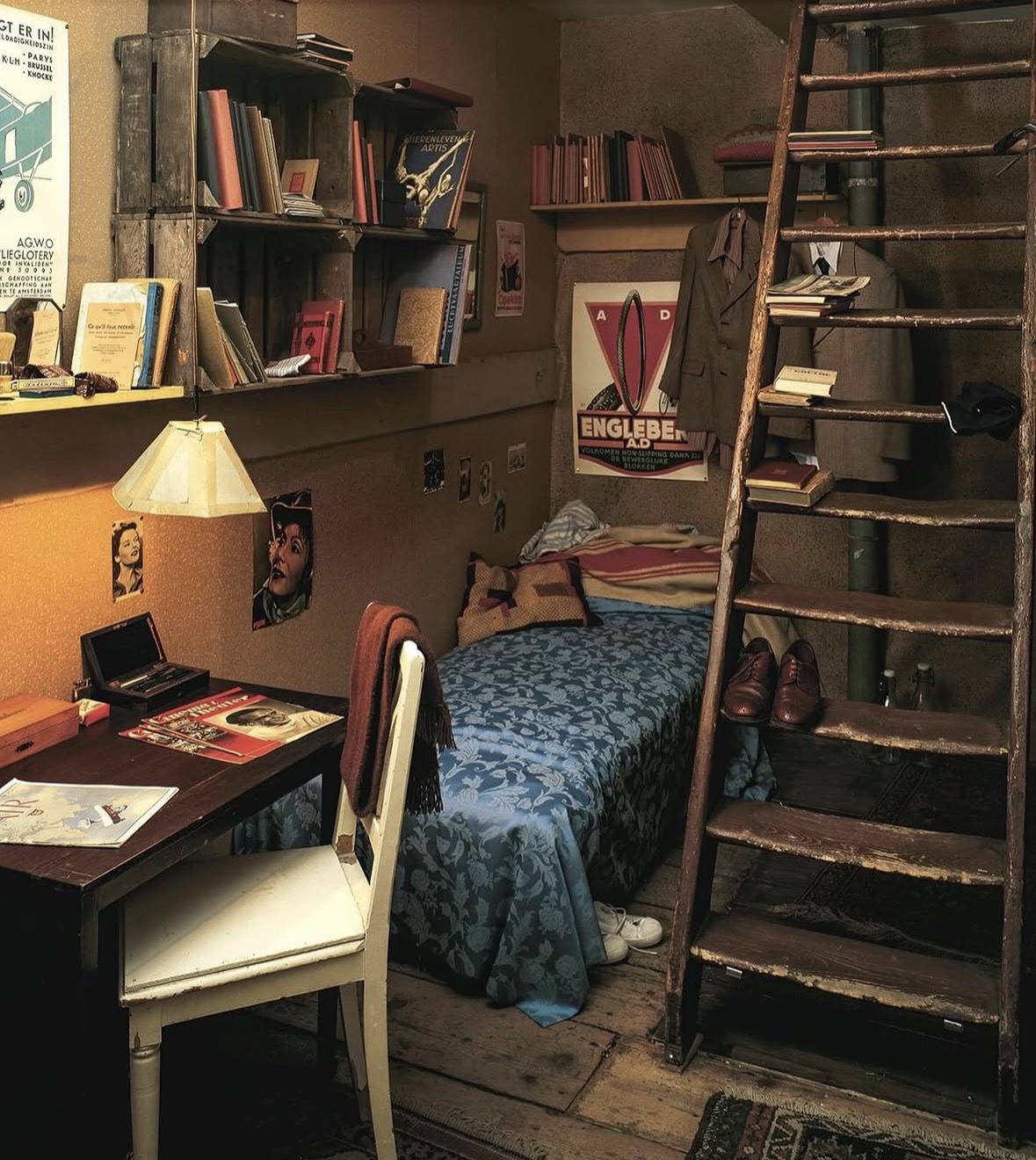
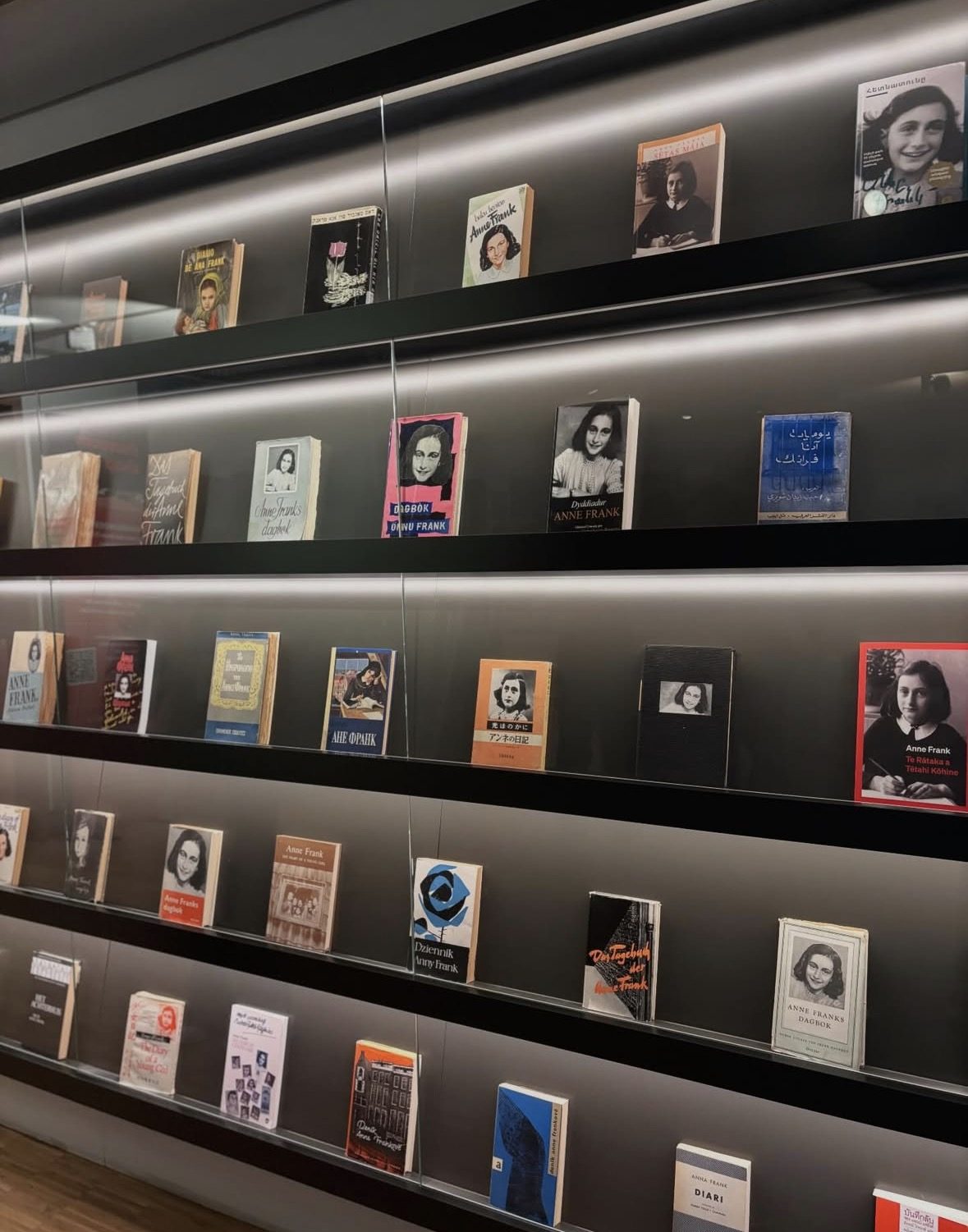
The Anne Frank House museum opened its doors to the public on May 3, 1960, in the very building where Anne and the others hid. Otto Frank was instrumental in establishing the Anne Frank Foundation and ensuring the house was preserved as a place of education and remembrance rather than demolished. Today, visitors walk through the original warehouse rooms, the private offices, and ultimately through the famous rotating bookcase into the Secret Annex itself, which is preserved unfurnished at Otto's request — to be imagined rather than reconstructed. The walls of Anne's room still bear the original cutouts of film stars and royals she pinned up during her time in hiding.
The museum attracts over 1.2 million visitors annually from every corner of the globe, making it one of the most visited historical sites in the Netherlands and all of Europe. Timed entry tickets are strongly recommended and often sell out weeks in advance. The Anne Frank House also operates extensive educational programs, traveling exhibitions, and digital resources for schools worldwide, extending Anne's legacy far beyond Amsterdam's canals. Whether you come seeking historical understanding, a personal connection to one of history's most important stories, or a moment of quiet reflection, a visit to the Anne Frank House is an experience that will remain with you for a lifetime.
Ready to Experience It Yourself?
Tickets to the Anne Frank House sell out weeks in advance, so securing your visit early is essential for this once-in-a-lifetime experience. Book a guided tour today to gain deeper insight into the stories behind every room, with expert commentary that brings Anne's diary to life in the very place it was written. Don't miss your chance to stand where history was made — reserve your spot now and carry Anne's message of courage and hope with you forever.
Book Your Tour Now